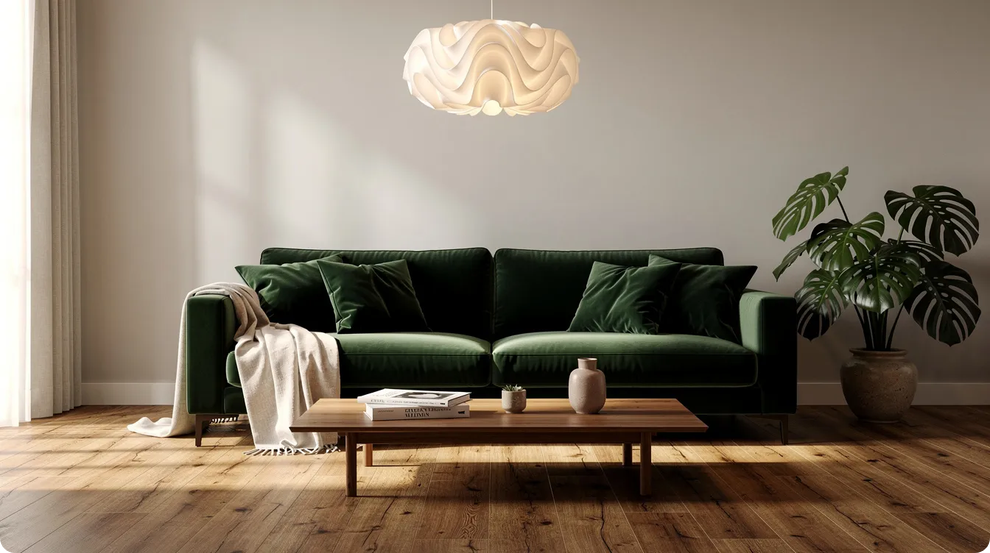
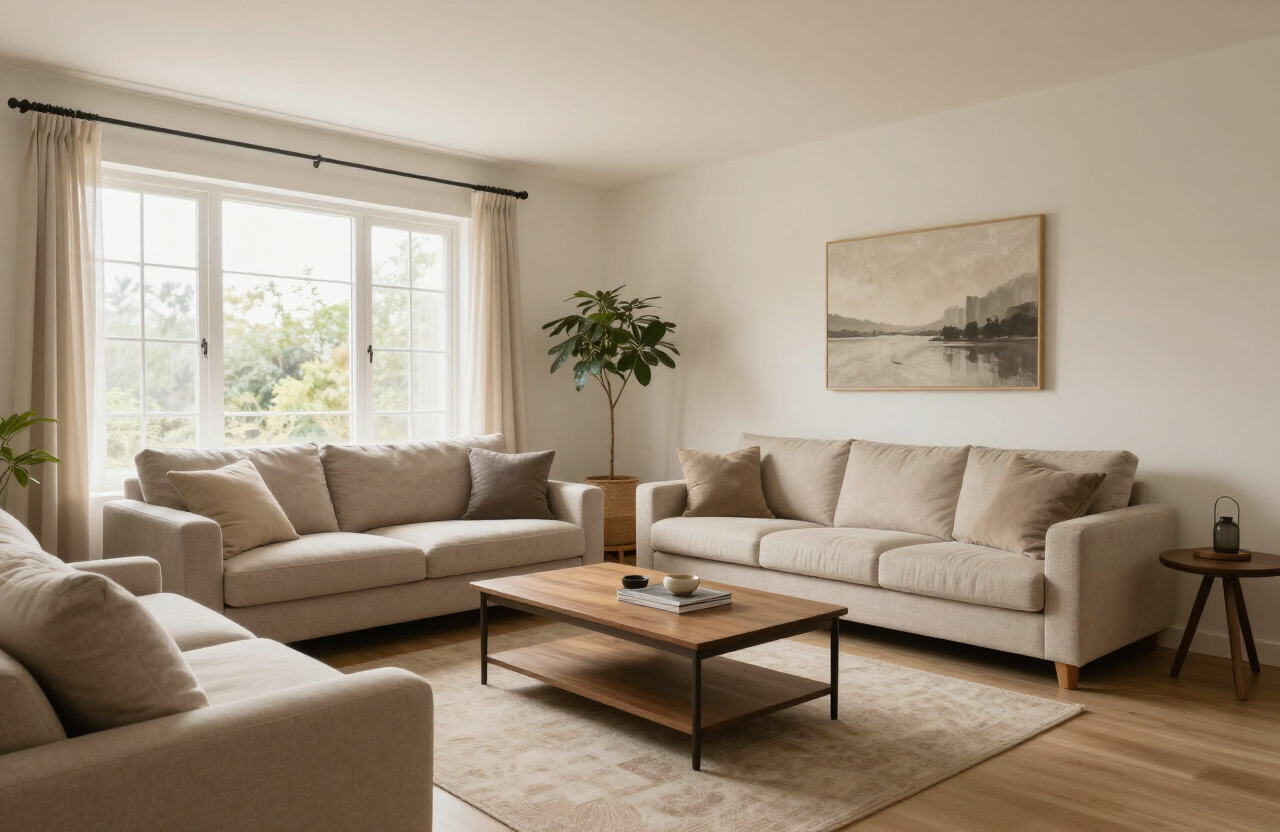
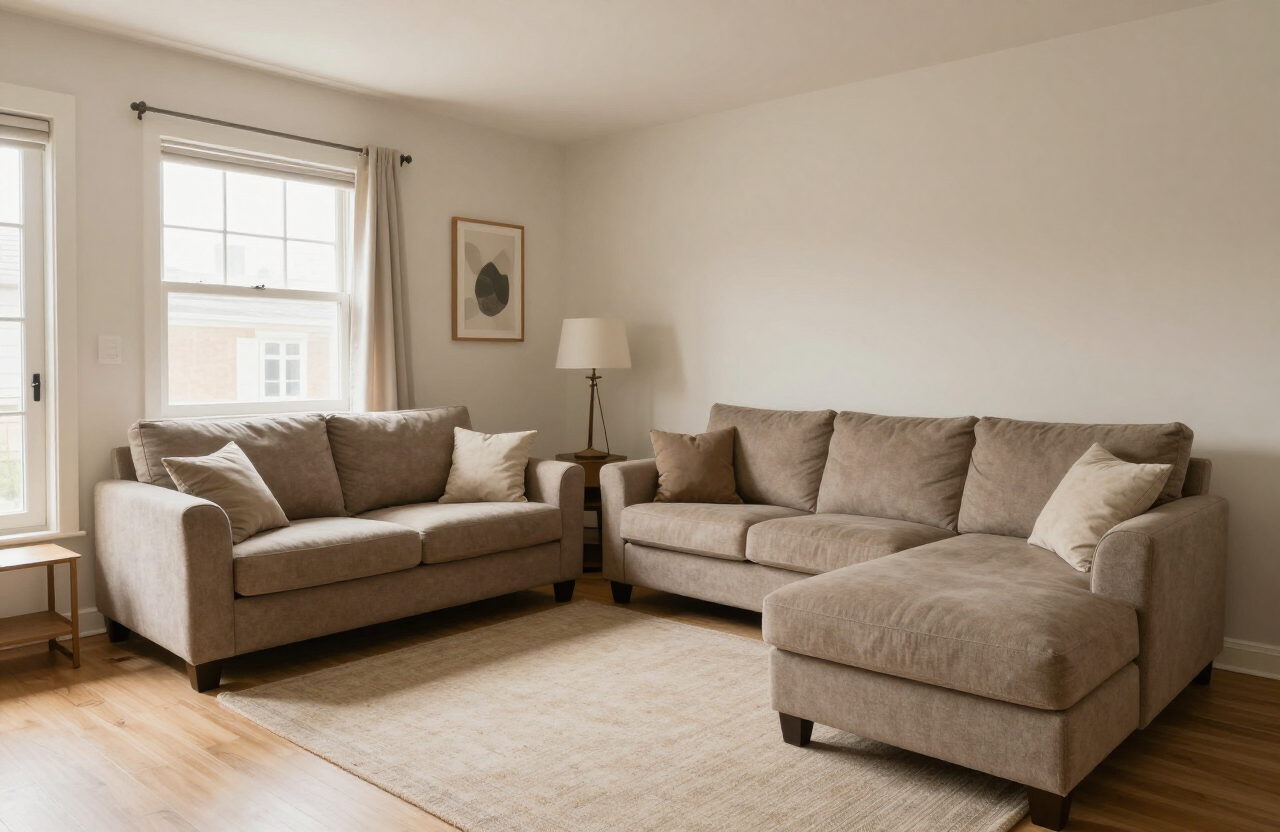
Living room
Small Living Room Interior Mood Board: Ideas, Colours and Layout Tips
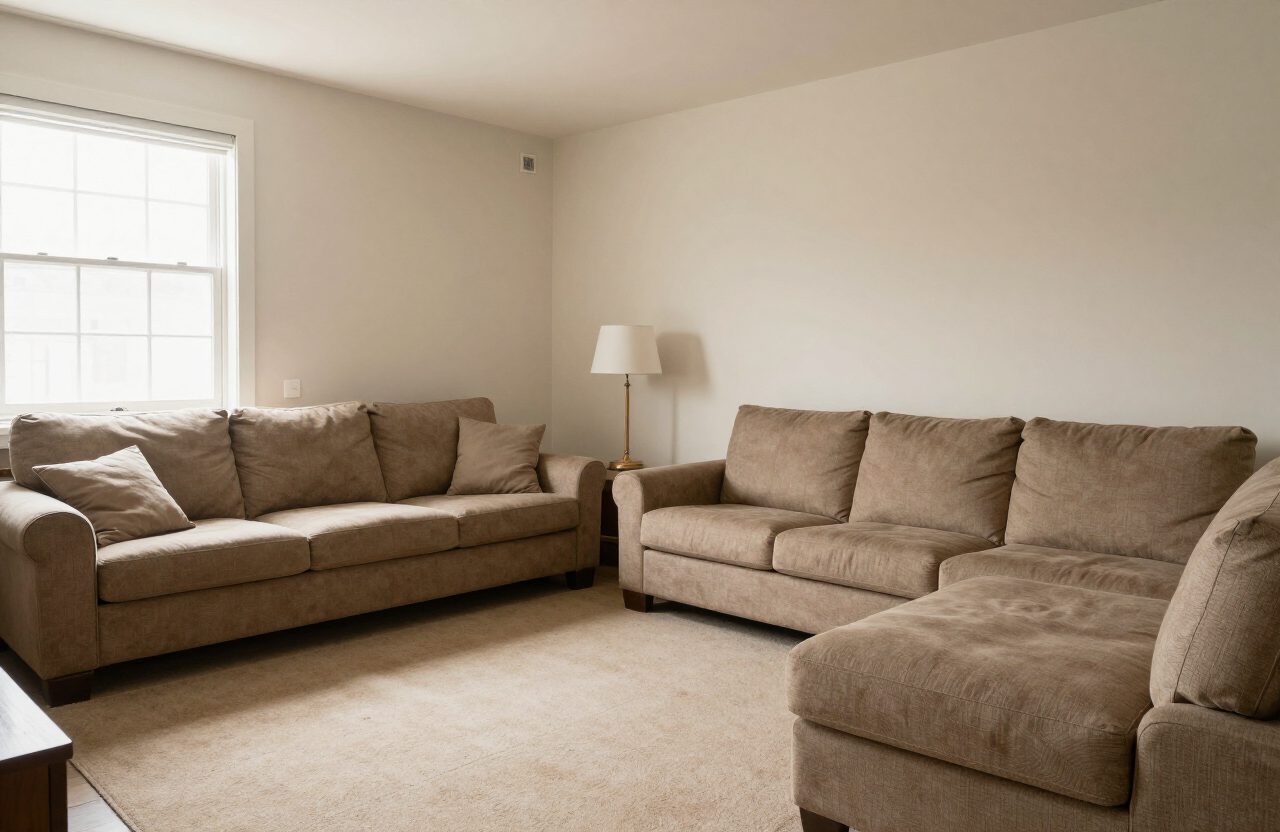
A small living room interior mood board helps you picture a small living room before you move a single piece of furniture.
I have helped friends and readers plan rooms for years, and the same thing trips people up every time. They pick a paint colour they love, then a sofa they love, then a rug they love. None of it talks to each other. A board fixes that. You see the whole mood at once, and the wrong calls jump out before you spend anything.
TL;DR
- A small living room interior mood board collects colours, materials, furniture and light in one view.
- Start with how you want small living room to feel, then pick surfaces and shades that match.
- Limit your palette to five colours so the look stays calm and pulled together.
- Add one texture or contrast piece so the room does not feel flat or boring.
- Use the board to test ideas before you buy, swap, or paint anything.
Why a board saves you time and money
When you can see colours and textures side by side, the bad matches show up fast. That cream you loved in the store might read pink next to your oak floor. The navy rug could fight the warm walls. A board catches those clashes in five minutes, not after a costly return trip.
It also keeps you from drifting. Midway through a project, it is easy to grab a trendy lamp or a sale cushion that has nothing to do with your plan. Pin it to the board first. If it looks wrong next to everything else, leave it. The board is your honest friend.
What a good board includes
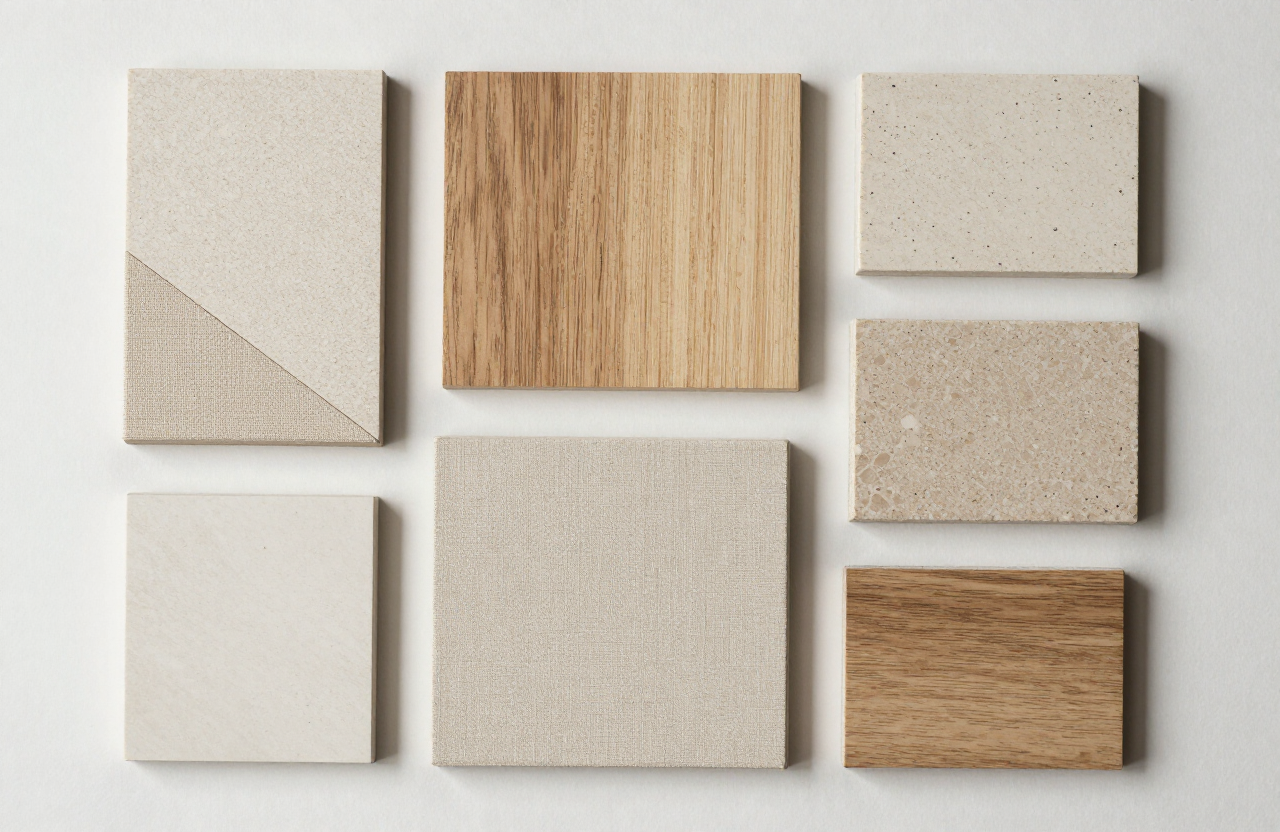
Keep it simple. You want a colour palette, two or three material swatches, a furniture direction, and a note on lighting. That is enough to guide real choices without drowning in options. Less on the board means clearer thinking off it.
Colours and materials to try
Pick a base neutral first. It covers the biggest surfaces, so it sets the mood. Then add a secondary tone for furniture, and one accent for cushions, art, or a single wall. Five colours total is plenty.
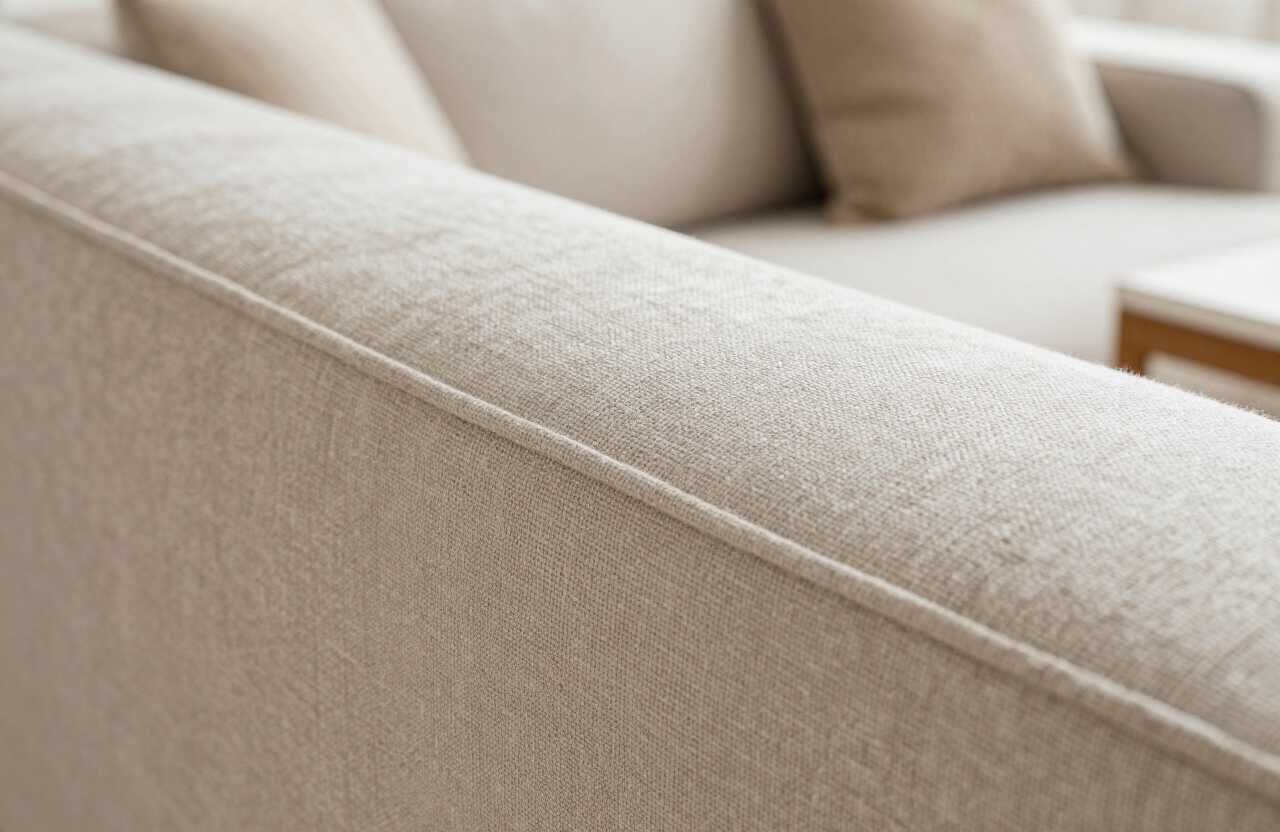
Mix at least two textures so the room has depth. Pair smooth with rough, matte with a little sheen. A flat room feels cold even when the colours are warm.
A room should feel collected, not bought in one afternoon. The board is where the collecting starts.
Furniture and layout ideas
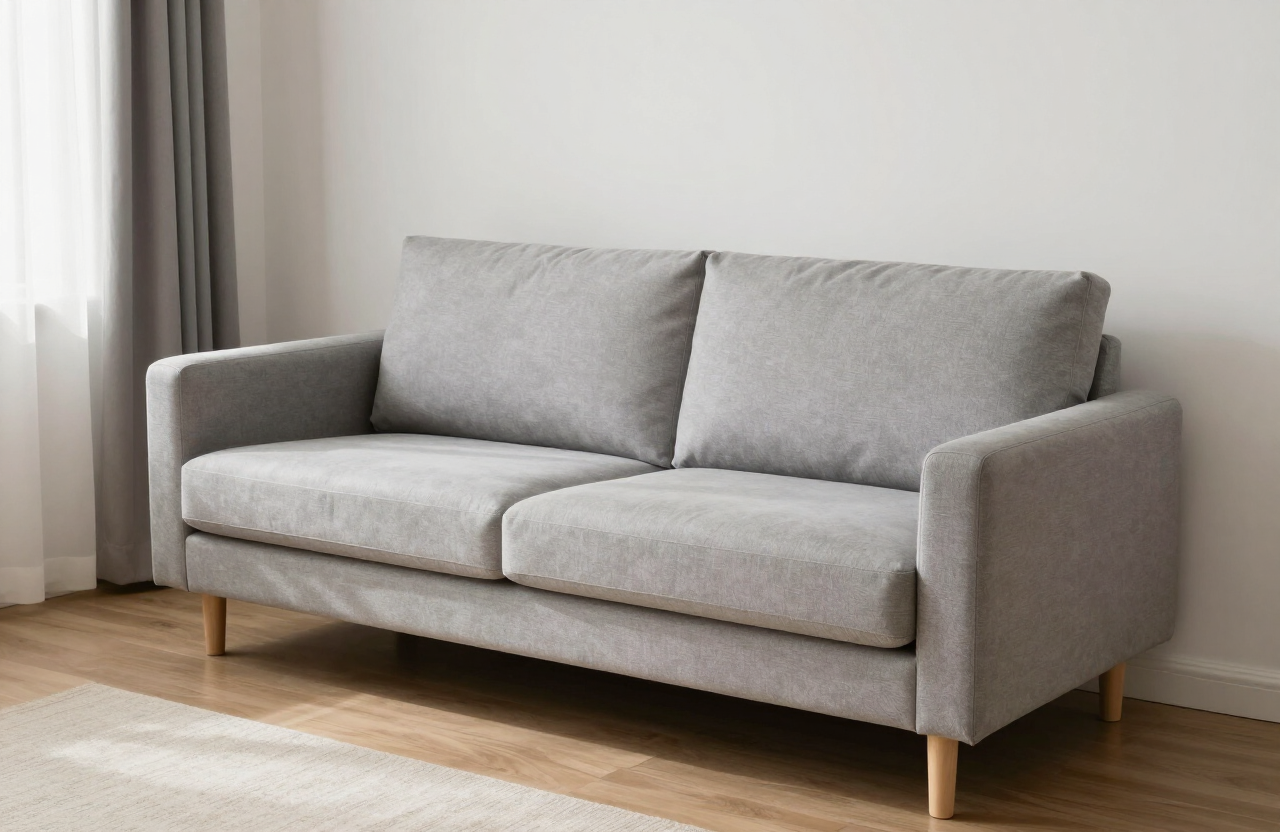
Start with the biggest piece in small living room. In a living room that is the sofa, in a bedroom it is the bed, in a home office it is the desk. Everything else takes its cue from that anchor. Get the scale right first, then worry about style.
Leave more empty space than you think you need. Crowding is the most common mistake I see. Walkways should stay clear, and the biggest piece should not press against every wall. A little breathing room makes a small space feel bigger.
A quick layout checklist
Measure the room and the doorways before you fall in love with anything. Note where the windows and outlets sit. Mark the path you walk most often. Then place furniture to keep that path open and let the best light reach the seat you use most.
What to prioritise for a small living room
| Element | Why it matters | Where to start |
|---|---|---|
| Anchor piece | Sets the scale and tone for everything else | Pick the largest item in small living room first |
| Colour palette | Keeps the room calm and pulled together | Choose five colours, no more |
| Lighting | Changes the mood more than furniture does | Plan three sources at three heights |
| Texture | Adds depth so the room does not feel flat | Mix one smooth with one rough surface |
| Negative space | Lets the room breathe and feel bigger | Leave walkways and corners open |
Lighting and the finishing touches
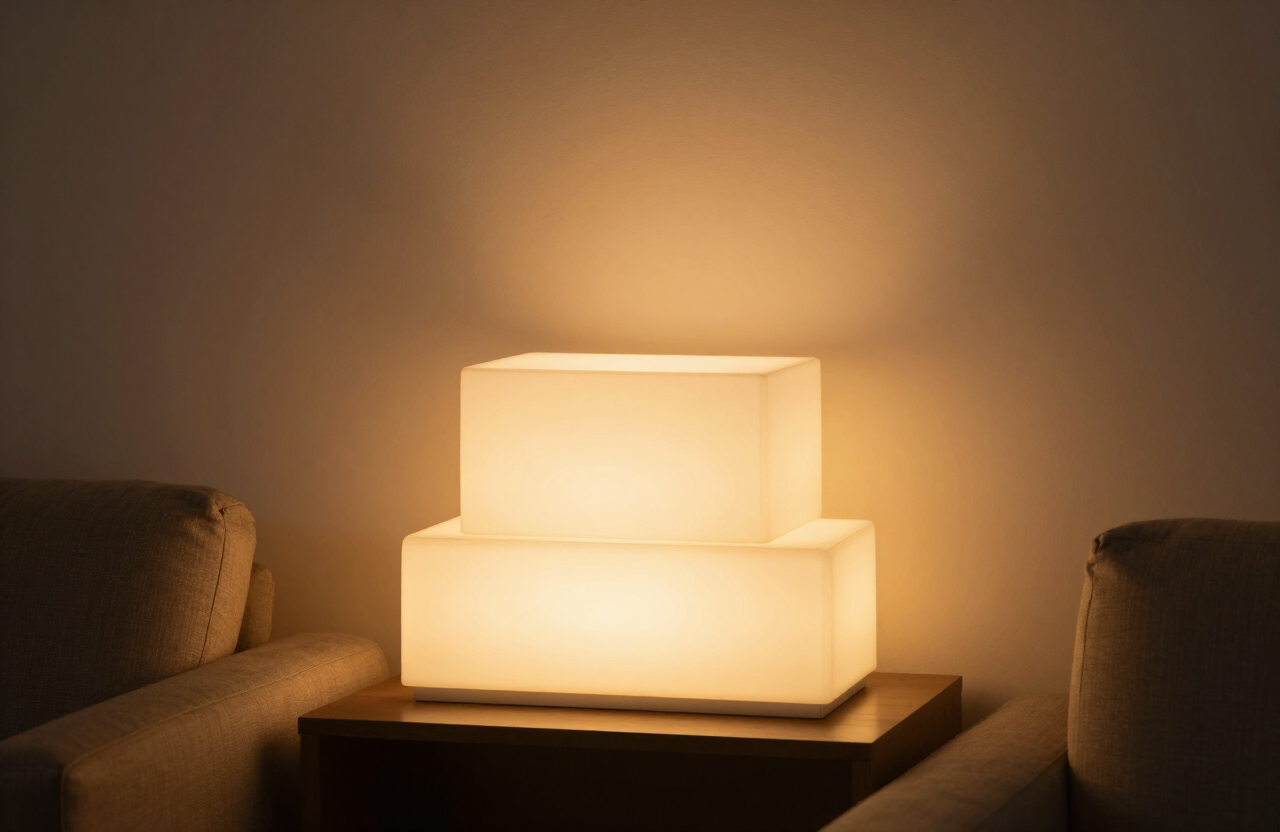
Lighting does more for a room than almost any piece of furniture. Aim for three sources at different heights. A ceiling light for tasks, a floor or table lamp for mood, and a small accent for a corner or a wall. One overhead bulb makes every room feel like a waiting room.
Pick warm bulbs, around 2700K, for living spaces and bedrooms. Cool white belongs in the garage. Add a dimmer if you can. The same room can feel bright and busy at noon, then soft and calm at night, just from the switch.
Small details that pull it together
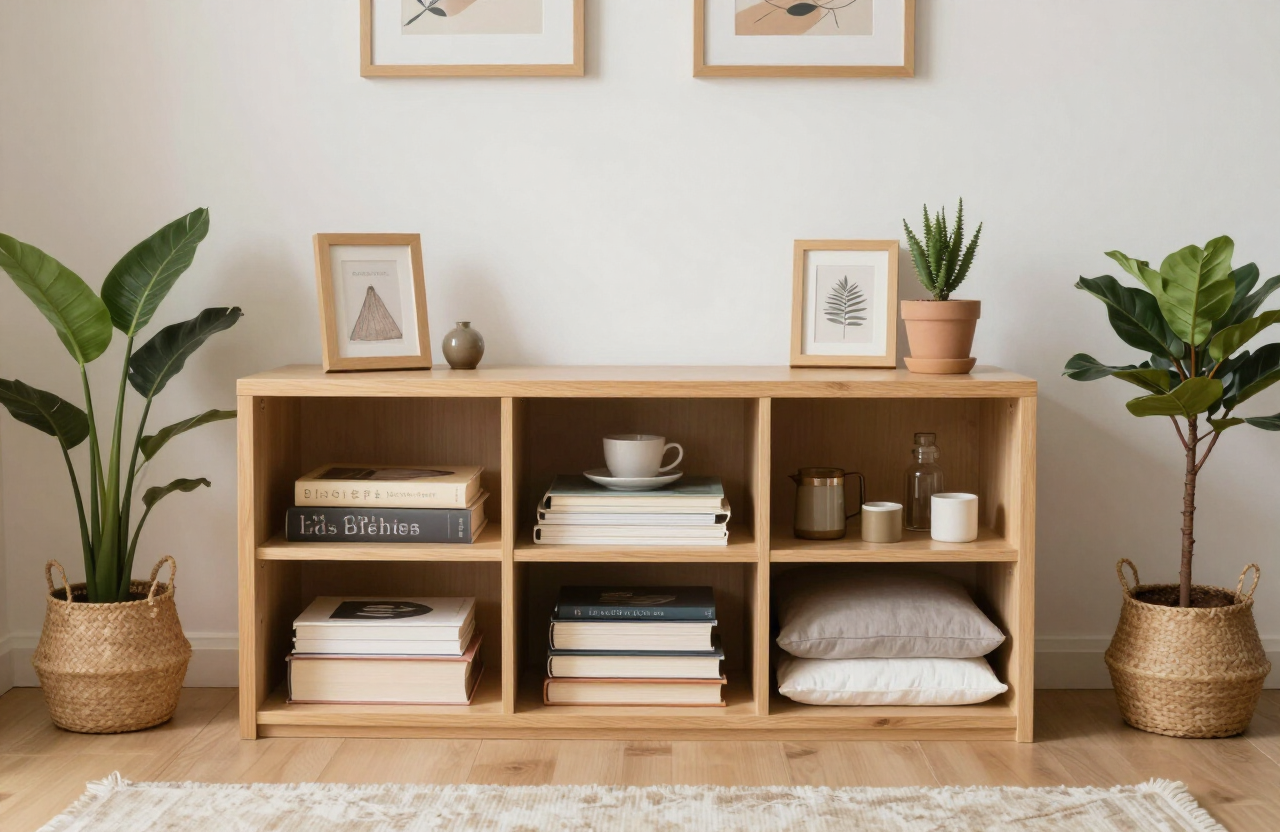
Repeat one material in three places. If you have brass on a lamp, echo it on a picture frame or a door pull. Repeat a colour from your palette in a throw, a book spine, or a vase. These little echoes make a room feel designed, not assembled.
Mistakes to skip
The biggest one is matching everything too perfectly. A room where every wood tone is identical feels like a showroom, not a home. Let two woods sit near each other and differ a little. The contrast reads as real and lived-in.
Another common slip is ignoring the ceiling and the floor. People spend all their energy on walls and furniture. A warm ceiling color or a good rug can change the whole mood of small living room more than a new sofa would.
Finally, do not shop before you plan. Buying first, then trying to make a board fit the purchases, works backwards. Plan the mood, test it on the board, then go find pieces that match.
Putting your board together
Gather your images and swatches in one spot, digital or physical. Lay out the biggest items first, then layer smaller accents around them. Step back. Does it feel like one room, or three? If it feels scattered, remove the odd one out and look again.
Sleep on it. A board that feels right at night can look off in the morning light. Give yourself a day before you call it done. The best plans survive a night of rest.
Plan the feeling first. The furniture follows the feeling, not the other way around.
Where to go from here
You now have a clear path. Pick your palette, choose your anchor piece, plan your light, and test it all on a board before you spend. When you are ready, you can turn this idea into three full concepts with palettes, materials, and lighting direction in about a minute. Describe your space and let the studio do the first pass, then refine until it feels like yours.
Turn this idea into your own mood board
Describe your space and get three concepts with palettes, materials and light direction in about a minute.
Create your mood board